Podiatrist & Chiropodist in Dartford (DA1/DA2)
What would a private, HCPC-registered podiatrist in Dartford do for you, what would it cost, and where does it sit next to the NHS? This page answers those questions for a clinic that is still only planned: there is no Dartford room or opening date, so nothing here can be booked. If you would use it, register interest.
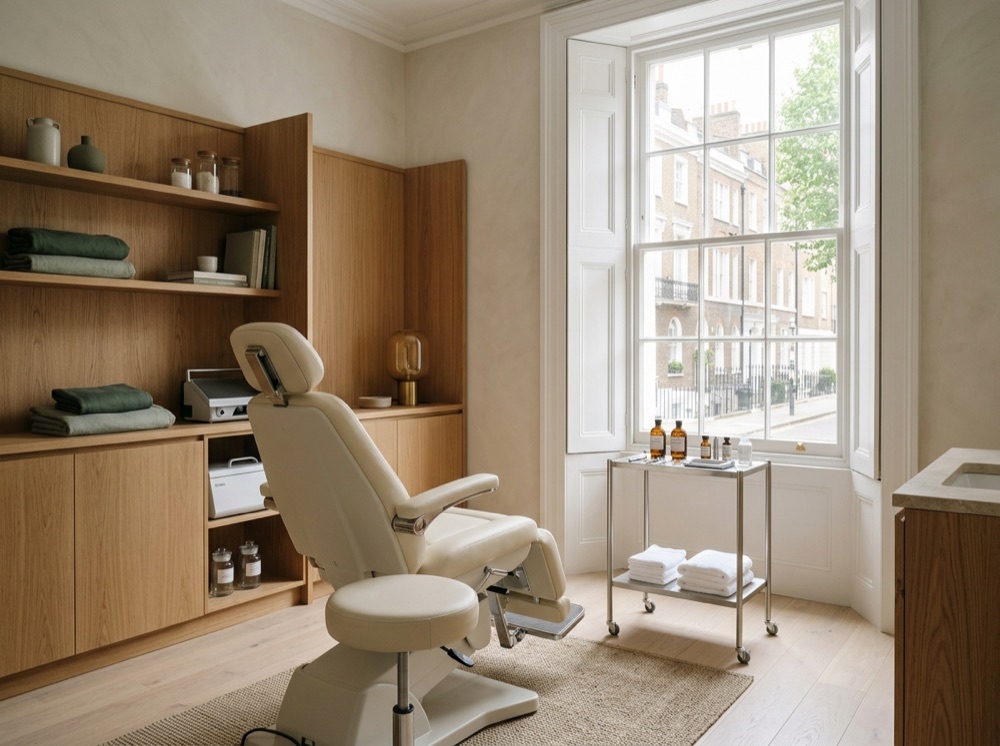
Care in Dartford.
Shaped for DA1 and DA2: shift workers whose feet take a pounding on warehouse and shop floors, young families in the new homes around Stone and Ebbsfleet Valley, and older residents of Wilmington, West Hill and Joyden's Wood who find their nails harder to manage each year.
Heel pain and plantar fasciitis
A clear diagnosis, then load management, taping, a short daily exercise routine and advice on work footwear — with orthoses only if simpler steps have not settled it.
Callus, corns and cracked heels
Callus pared away and corns enucleated with sterile blades, usually painlessly, plus padding and footwear changes so the pressure that caused them is reduced.
Ingrown toenails, first visit to permanent fix
The ingrowing spike cleared on the day where it safely can be; partial nail avulsion with phenol under local anaesthetic for nails that keep coming back.
Verrucas and fungal nails
An honest view of which treatments are worth paying for, debridement to ease pain, and nail reduction so thickened nails sit comfortably in boots and shoes.
Twelve-hour shifts and the morning heel
The heel pain we would expect most often in Dartford follows a recognisable pattern. It is sharpest with the first steps out of bed or after sitting, eases a little once you are moving, and comes back towards the end of a long shift. That pattern usually points to the plantar fascia, the thick band under the foot, which becomes irritated when it is loaded harder or for longer than it is used to — a new job, extra overtime, a switch from trainers to safety boots.
Treatment does not start with expensive insoles. It starts with understanding the load: how many hours you stand, what floor you work on, what your employer requires on your feet. From there, a Podiatrist can strap the foot to calm it, set calf and foot exercises you can do in a break, and suggest cushioned socks or a sports insole that fits inside a work boot. Most people improve over weeks to a few months. Custom orthoses are worth considering when the foot's shape is itself part of the problem, and we would explain why before recommending them.
Boots, toe-caps and hard skin
Steel or composite toe-caps protect against dropped loads but can press on the tops of the toes, and a stiff boot sole drives pressure into the ball of the foot. Over months this builds corns on the knuckles of the toes and thick callus underneath. It is tempting to file it all off at home, but the skin comes back, often thicker.
In clinic, a corn is removed with a sterile scalpel, usually without pain because the hardened skin has no feeling. Then the cause gets dealt with: a different lacing pattern, a silicone toe sleeve, a boot half a size larger with a thicker sock, or asking your employer whether another approved model is available. If you work in a regulated role, we would never suggest changing protective footwear without checking with your safety officer first.
Children in the new estates
Many of the families who moved into Ebbsfleet Valley, Stone and the newer streets around the town have primary-age children, and children's feet bring their own problems: verrucas picked up at swimming lessons, ingrown toenails in young footballers, and heel pain around growth spurts in active ten-to-fourteen-year-olds. Most are minor and settle with the right advice; a few need treatment.
If a Dartford clinic opens, children would always be seen with a parent or guardian, and we would explain what we are doing in words a child can follow. For verrucas in particular, we would be honest that many clear up on their own and that leaving them alone is often a reasonable choice.
NHS foot care in Dartford: who does what
Community podiatry in Dartford, Gravesham and Swanley is delivered for the NHS, at the time of writing, by HCRG Care Group, with clinics that include Livingstone Community Hospital on East Hill. Its caseload is weighted towards feet that diabetes has made vulnerable. Foot problems that need a hospital, such as an ulcer or infection in someone with diabetes, are dealt with at Darent Valley Hospital by Dartford and Gravesham NHS Trust.
A private appointment is for the problems that fall outside those services: an otherwise healthy foot with a painful corn, thick nails you cannot reach, an ingrown nail you want sorted soon, or heel pain that is getting in the way of work. You can refer yourself; there is no need for a GP letter.
Planned Dartford fees.
| Appointment | Fee |
|---|---|
| Initial podiatry consultation with treatment — 40 min Medical history, circulation and nerve checks, then nails, corns or callus dealt with during that appointment | £70–£75 |
| Maintenance podiatry — 30 min Nail reduction, callus and corn care, fissured heels and nail care for people with diabetes | £58–£65 |
| Partial nail avulsion (PNA) for an ingrowing toenail Local anaesthetic, phenol applied to the nail root, sterile single-use pack, dressings and two follow-up checks | £395 |
| Biomechanical assessment and custom 3D orthotics Foot and gait assessment, 3D scan, one pair of prescription devices, fitting and a review appointment | From £395 |
Indicative fees for a Dartford clinic that has not opened. You pay nothing now; fees are confirmed in writing before any appointment is offered.
Read next
Dartford — straight answers
Can I book a Dartford podiatry appointment now?
No. There is no Dartford clinic yet. Register priority interest and we will contact you only if a room and a Podiatrist are confirmed.
Do I need special insoles for work boots?
Not always. Many people do well with a good off-the-shelf insole and a change of sock. Custom orthotics are an option when foot shape is part of the cause, and we would explain the reasoning first.
Is plantar fasciitis permanent?
Rarely. Most cases settle over weeks to months with the right loading, stretching and footwear. A small number need more, and a Podiatrist can tell you when to look further.
Could you write to my employer about footwear?
If a Dartford clinic opens and you need one, a Podiatrist can write a short note describing your foot problem and suggesting footwear adjustments for your occupational health team to consider.
Are the planned Dartford fees final?
They are our current plan. Any change would be confirmed in writing before you are offered an appointment, and no money is taken in advance.
Podiatry planned for Dartford. Without the wait.
Planned expansion site for HCPC Podiatry in DA1 and DA2. There is no Dartford room or date yet — registering is free, books nothing and shows us where the demand is.