Heel Pain & Plantar Fasciitis Clinic in Orpington
That sharp pain under the heel with your first steps out of bed is usually plantar heel pain, often called plantar fasciitis. Most cases get better with the right plan. Our HCPC-registered Podiatrist will confirm what is causing your pain, rule out the things it should not be, and give you a plan you can follow.
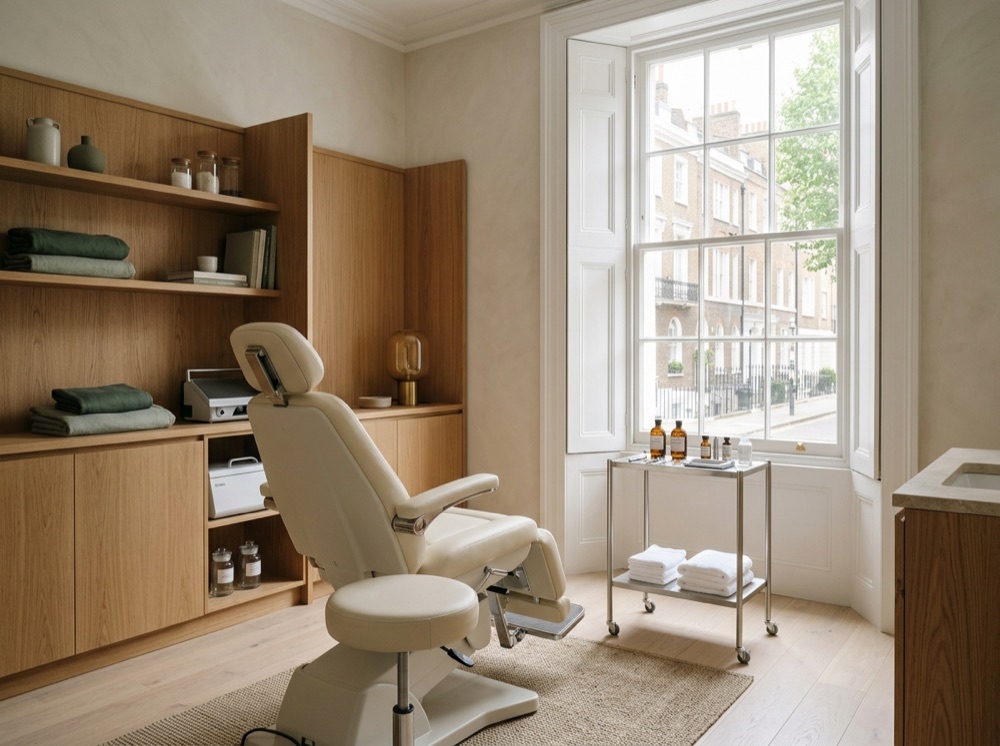
Care in Orpington.
For Orpington commuters standing on platforms, people on hard floors all day, and walkers and runners whose heel pain has not settled after a few weeks.
Clear diagnosis
Plantar fasciitis, a fat pad problem, a trapped nerve, a stress fracture or Achilles pain can all feel like 'heel pain'. Pressing, squeezing and movement tests tell them apart.
Load management & taping
Practical changes to how long you stand and walk, and low-dye taping to ease the load on the plantar fascia while it settles.
Stretching & strengthening
Plantar fascia-specific and calf stretches, then progressive strengthening — the exercise programme is the core of most recoveries.
Footwear & insoles
A cushioned, supportive shoe with a slight heel often helps more than people expect. Prefabricated insoles or custom orthoses where they will add something.
Why it hurts most first thing in the morning
The plantar fascia is a thick band running from your heel to the base of your toes. When it is overloaded, the attachment at the heel becomes irritated. Overnight your foot rests in a pointed position; the first steps in the morning stretch it suddenly, which is why the pain is often worst then and after sitting for a while, and eases as you get moving.
Common triggers are a sudden increase in walking, standing or running, worn or very flat shoes, tight calves, and weight gain. It is most common between about 40 and 60, but we see it at every age.
What usually works
NHS guidance describes plantar heel pain as a condition that usually improves, with most people recovering within a year — and much sooner with the right approach. The best-supported first steps are stretching the plantar fascia and calf, reducing the load that started it, choosing supportive cushioned footwear, and taping or insoles to ease pain while it settles.
Steroid injections can give short-term relief but are not first line and carry risks, including weakening the fascia. Shockwave therapy is offered by some clinics for long-standing cases, but the evidence is mixed and NHS guidance is cautious. We will discuss these honestly if your pain has not improved after several months of a good plan, and refer you on if that is the better route.
When it is not plantar fasciitis
Pain on both heels with morning stiffness in other joints can point to inflammatory arthritis. Burning, tingling or numbness may be a trapped nerve (tarsal tunnel or Baxter's nerve). Pain when the heel is squeezed from the sides after a big jump in activity can be a stress fracture. Pain at the back of the heel is usually Achilles-related. Each needs different care, which is why the first appointment focuses on diagnosis.
How the Orpington appointment works
The 40-minute initial appointment includes the assessment and treatment: taping if it helps, a written exercise plan, and specific footwear advice for what you actually wear to work. Most people need one or two follow-ups to progress their exercises. If orthoses are likely to help, we will explain why and what they cost before anything is ordered.
Planned Orpington launch fees.
| Appointment | Fee |
|---|---|
| Initial Podiatry Assessment & Treatment (40 mins) Medical history, foot pulses & sensation check, and hands-on treatment on the same visit | £70–£75 |
| Routine Podiatry (30 mins) Nails, thickened nails, corns, hard skin, cracked heels and diabetic foot care | £58–£65 |
| Partial Nail Avulsion — 1 toe Local anaesthetic, phenol, single-use sterile pack, dressings and two follow-up reviews | £395 |
| Custom Orthotics with Gait Assessment Biomechanical assessment, 3D foot scan, one pair of prescription orthoses, fitting and review | From £395 |
Planned Orpington launch fees — final fees are confirmed in writing before your first appointment.
Read next
Orpington — straight answers
How long does plantar fasciitis take to go away?
It varies. Many people improve noticeably within 6–12 weeks of a consistent plan. Long-standing cases can take several months. Most people recover without surgery.
Do I need custom orthotics for plantar fasciitis?
Not usually at first. Many people do well with stretching, load changes, good shoes and a prefabricated insole. Custom devices are considered if those are not enough.
Should I rest completely?
Usually not. Cutting back on whatever triggered it while keeping active in a way that does not flare it — cycling or swimming, for example — tends to work better than complete rest.
Do I need an X-ray or scan?
Most people do not. Heel spurs on X-ray are common in people with no pain at all. Imaging is considered if the history or examination suggests something else.
Take the first step without wincing. Without the wait.
HCPC Podiatry opening first in Orpington (BR5 & BR6). Planned launch fees: £70–£75 initial, £58–£65 routine, £395 nail surgery. No GP referral needed.