Ingrown Toenail Treatment & Nail Surgery in Orpington
An ingrown toenail can stop you walking properly within days. Our HCPC-registered Podiatrist will either clear the painful nail spike on your first visit or, if it keeps coming back, remove the ingrowing edge permanently under local anaesthetic — £395 all-inclusive for one toe.
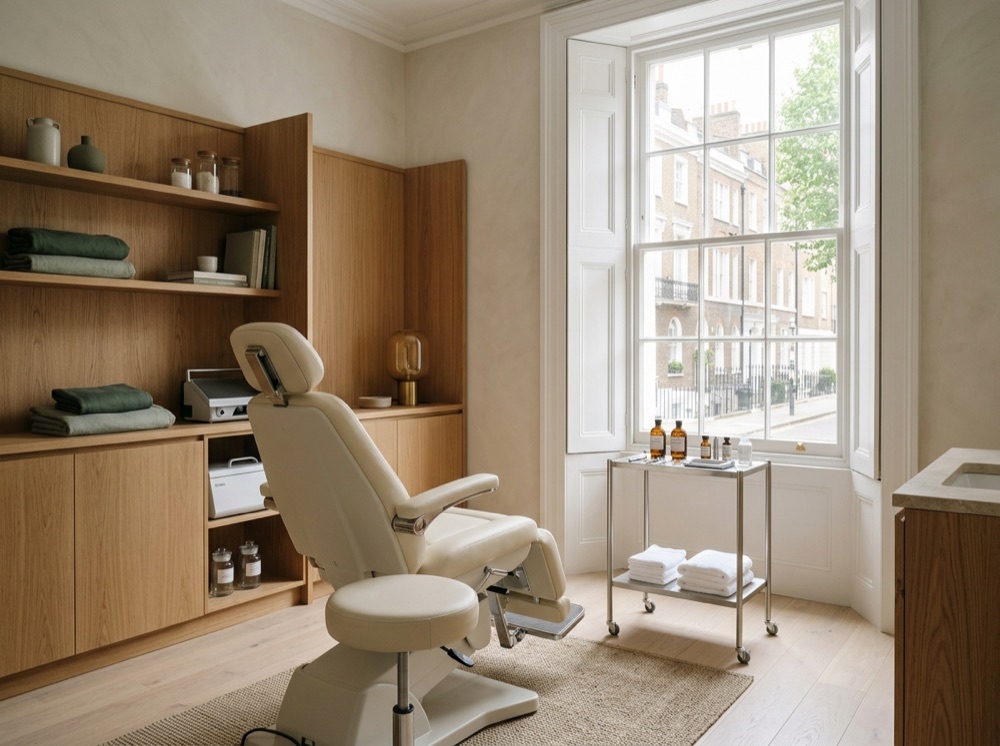
Care in Orpington.
For Orpington, Petts Wood, Chislehurst and Sidcup teenagers in school shoes and football boots, runners and walkers, and anyone who has already had two or three bouts of antibiotics for the same toe.
Conservative clearing (first visit)
The spike of nail digging into the skin is trimmed away cleanly, the groove is cleaned and dressed, and you are shown how to cut that nail so it is less likely to recur.
Partial nail avulsion (PNA) with phenol
Under a local anaesthetic ring block, a narrow strip of the nail edge is removed and phenol is applied to the root of that strip so it does not grow back.
Total nail avulsion (TNA)
For nails that are ingrowing on both sides, badly thickened or damaged, the whole nail can be removed, with or without phenol, after a full discussion of the pros and cons.
Aftercare included
Your £395 covers the anaesthetic, single-use sterile instruments, dressings and two follow-up reviews to check healing.
Do you need surgery, or will clearing do?
Not every ingrown toenail needs an operation. If it is your first episode and it was caused by cutting the nail too short or down the sides, clearing the nail spike and changing how you cut often fixes it for good. That is done at the initial appointment.
Surgery makes sense when the same edge has ingrown two or more times, the nail is naturally very curved (an involuted nail), or there is red, overgrown tissue (hypergranulation) along the edge that keeps bleeding. Research comparing techniques, including a Cochrane review, found that removing the nail edge and applying phenol is better at stopping recurrence than cutting the nail out without phenol.
What happens on the day of nail surgery
Your Podiatrist checks your medical history, circulation and medicines first. The toe is then numbed with a local anaesthetic injected at its base — you feel two brief stings and then nothing but pressure. A tourniquet keeps the area clean and bloodless, the ingrowing strip is freed and removed, and phenol is applied to the nail root under that strip for a measured time. A bulky sterile dressing goes on and you walk out.
Allow about an hour. Bring open-toed sandals or wide sliders, and arrange a lift or taxi home — you should not drive with a numb foot. Most people manage with paracetamol once the anaesthetic wears off.
Recovery, week by week
Days 1–3: keep the dressing dry and your foot up when you can. Most desk workers are back at work in a day or two. Week 1: your first review — the dressing is changed and you are shown how to dress it yourself. Some clear or straw-coloured weeping is normal after phenol; it is the treated tissue healing, not infection.
Weeks 2–4: walking in roomy shoes is fine; avoid swimming and contact sport until the groove is dry. Weeks 4–6: most toes are healed, though phenol can make some take up to eight weeks. Your second review confirms it is fully settled.
Who should wait, or have a different approach
Phenol is not used in pregnancy, so we usually defer nail surgery until after the baby is born and keep the nail comfortable with clearing in the meantime. People with poor circulation, poorly controlled diabetes or certain medicines may need extra checks or a different technique, and a few will be safer with an NHS or hospital team — we will tell you honestly if that is you. Under-16s are treated with a parent or guardian present and consenting.
Antibiotics are not a cure
Many people come to us after several courses of antibiotics. Antibiotics can calm a spreading infection, but while the nail spike is still in the skin, the problem comes back. Removing the cause is what stops the cycle.
Planned Orpington launch fees.
| Appointment | Fee |
|---|---|
| Initial Podiatry Assessment & Treatment (40 mins) Medical history, foot pulses & sensation check, and hands-on treatment on the same visit | £70–£75 |
| Routine Podiatry (30 mins) Nails, thickened nails, corns, hard skin, cracked heels and diabetic foot care | £58–£65 |
| Partial Nail Avulsion — 1 toe Local anaesthetic, phenol, single-use sterile pack, dressings and two follow-up reviews | £395 |
| Custom Orthotics with Gait Assessment Biomechanical assessment, 3D foot scan, one pair of prescription orthoses, fitting and review | From £395 |
Planned Orpington launch fees — final fees are confirmed in writing before your first appointment.
Read next
Orpington — straight answers
How much is ingrown toenail surgery in Orpington?
The planned fee is £395 for one toe, all-inclusive: assessment on the day, local anaesthetic, phenol, single-use sterile instruments, dressings and two follow-up reviews.
Will the nail look strange afterwards?
After a partial nail avulsion the nail is slightly narrower, by a few millimetres. Most people find it hard to notice once it has healed.
Can the nail grow back?
Occasionally a small spike regrows, but this is uncommon after phenol. If it happens, your Podiatrist will review it.
Can my teenager have this done?
Yes. Ingrown toenails are very common in teenagers. Anyone under 16 is treated with a parent or guardian present, and we explain everything to both of you first.
When can I run or play football again?
Usually once the groove is dry and no longer tender, which is often around 3–4 weeks. Swimming waits until it has fully sealed.
Sort that toe for good. Without the wait.
HCPC Podiatry opening first in Orpington (BR5 & BR6). Planned launch fees: £70–£75 initial, £58–£65 routine, £395 nail surgery. No GP referral needed.